
Affordable Housing in Gabon: Towards a National Emergency Plan Based on Innovation, Local Materials, and Social Justice
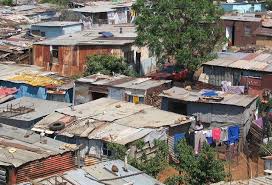
In a context of strong urbanization and social crisis surrounding housing, Gabon faces an undeniable reality: thousands of families live in precarious conditions, while access to decent housing remains difficult for a large part of the population.
Gabon faces a critical housing crisis, with thousands of families living in precarious conditions and most of the population struggling to access decent housing. In response, a National Emergency Plan for Affordable Housing is proposed, built upon pillars of innovative financing, local material valorization, industrial transformation, training, and equitable planning.
I. Consolidate and Expand Existing Instruments
The National Housing Fund (FNL) and the past Housing Refinancing Account were valuable tools but now require fundamental reform:
- Improved Transparency and Governance: Implement regular public reporting.
- Revised Eligibility Criteria: Adapt criteria to genuinely benefit low-income populations.
- Digitization of Housing Access Procedures: Streamline processes to reduce administrative delays and corruption.
II. Financing Mechanisms Adapted to Gabonese Households’ Reality
High construction costs and limited access to bank credit hinder self-building and homeownership. Proposed solutions include:
- Affordable Housing Guarantee Fund (FGLA): A public-private fund to cover part of the bank risk, encouraging banks to lend to modest-income or informal households.
- Subsidized Interest Rate Loans: State-partially subsidized loans with reduced interest rates, targeting young people, female-headed households, and civil servants.
- Social Real Estate Leasing (Rent-to-Own): A model where the beneficiary occupies the dwelling as a tenant with the option to become an owner after 10 to 15 years of payments.
- Housing Bank: A dedicated institution for financing social and intermediate housing projects, offering competitive rates and decentralized branches.
- Tax Incentives for Developers:
- VAT exemption for social housing projects.
- Tax reductions on imported equipment necessary for collective housing construction.
III. Cost Reduction via Local Materials and Industrial Transformation
The cost of imported materials is a major barrier. Promoting national resources is therefore strategic:
- Support for Local Materials: (e.g., cement, gravel, iron, laterite, clay, wood, bamboo, stone).
- Reduced Taxation on Local Materials.
- Encouragement of Adapted Local Construction Standards.
- Creation of an Emergency Program for Local Production.
- Establishment of Mobile Processing Units in Provinces.
- Support for Artisan and Industrial Construction Material Cooperatives.
- Sustainable Construction Research Centers:
- Development of National Expertise Centers: To test, certify, and promote the use of local materials in modern constructions.
IV. Strengthening the Skills of Housing Stakeholders
Affordable housing is only possible with strengthened local expertise:
- National Training Program: For artisans, masons, architects, and engineers on economic and sustainable construction techniques.
- Support for Vocational Training Centers: With specialized modules on rural housing, participatory urban planning, and eco-materials.
- Organization of Annual Housing Forums: Bringing together institutions, universities, developers, NGOs, and donors.
V. Development of a Clear and Inclusive National Plan
Urgency doesn’t mean haste. This emergency plan must be structured, clear, and progressive:
- Definition of Phased Objectives: 1-year, 3-year, 5-year targets.
- Identification of Priority Zones: (Libreville, Port-Gentil, Franceville, Oyem, etc.).
- Creation of an Online Portal: To track housing projects: location, number, beneficiaries.
- Establishment of a Single Housing Counter at the Departmental Level: To better inform citizens.
VI. Accompanying Urban Modernization with Dignity
The recent displacement operations in Libreville signal a new impetus for urban planning. However, it is essential to:
- Offer Temporary and Permanent Relocation Solutions: Before any displacement.
- Plan Pilot Neighborhoods for Planned Reconstruction: Equipped with basic public services.
- Establish a Rapid and Equitable Compensation Fund: For affected occupants.
The NGO TERRITOIRE welcomes the government’s growing awareness of the housing emergency. It reaffirms its commitment to support public policies through:
- Its technical and social expertise.
- Its capacity to mobilize international partners.
- Its local roots in communities.
Together, artisans of peace.
Fabrice ALLOUMBA Founding President